Less searching. More treating.
Across European hospitals, physicians spend hours gathering information from paper records, reports, and fragmented systems — and something is still missing at the end. aiomics takes over this work: reading documents, structuring content, surfacing gaps and inconsistencies, drafting reports, applications, and payer correspondence. All for physician review and approval.Physicians spend hours on chart review — and still miss key information. aiomics takes over that work.
Built by a physician for European rehabilitation and acute care hospitals.
 Dr. med. Sven Jungmann — Physician & Founder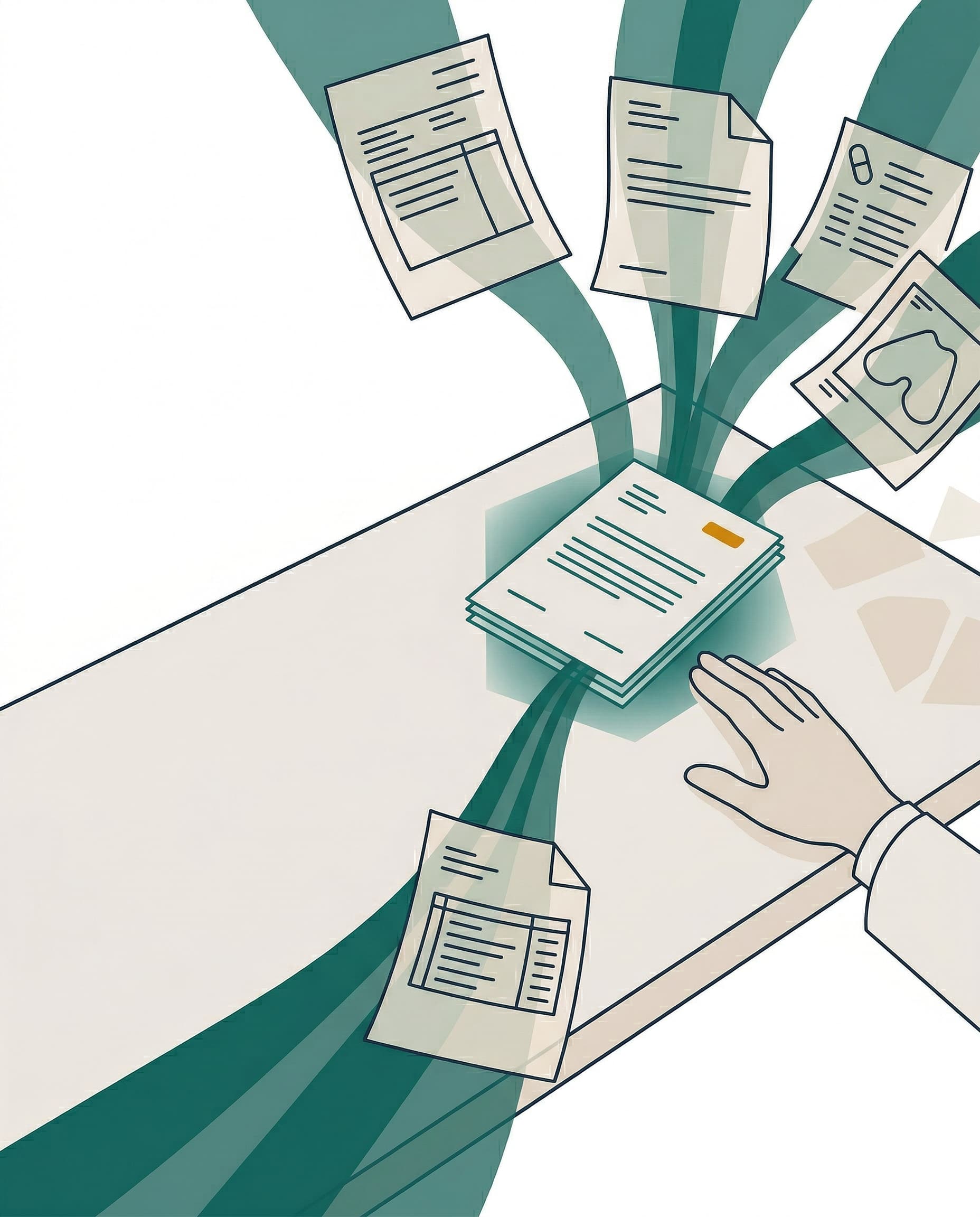
You know how it goes.
First, empty the trash bin.
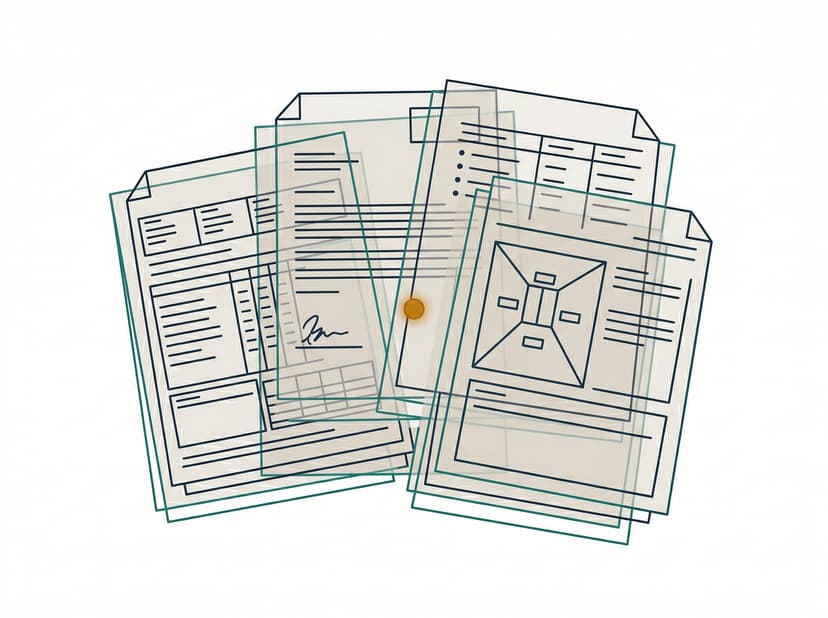
Hundreds of pages per patient — referral letters, prior reports, lab results, rehab applications. Relevant, irrelevant, and missing documents all mixed together. You are looking for the one piece of information you need and do not know which document it is in. Or whether it exists at all.
The admission report says something different than the prior report.
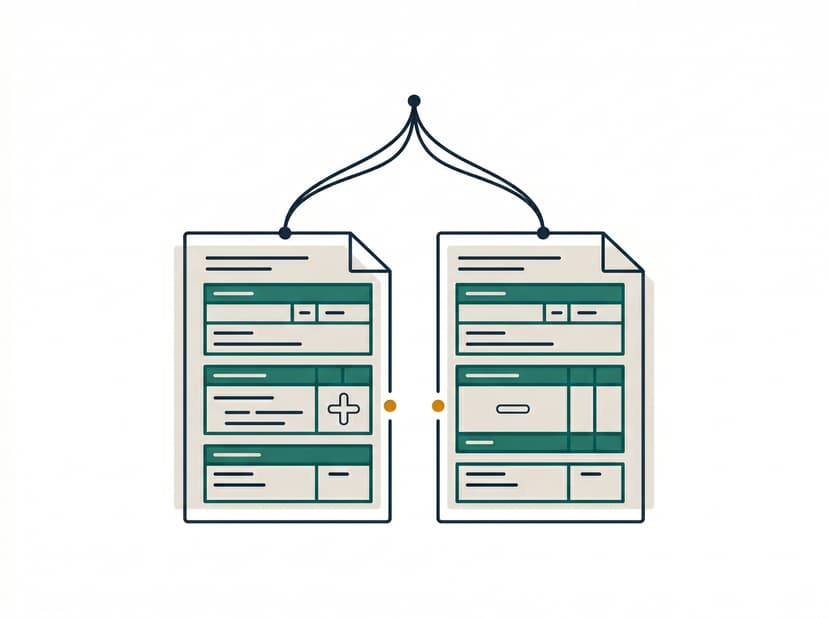
Different diagnoses, medication lists that do not match, allergies documented in one report but missing in the next. You notice it when writing the discharge letter. Or not at all.
Suitable patients end up elsewhere.
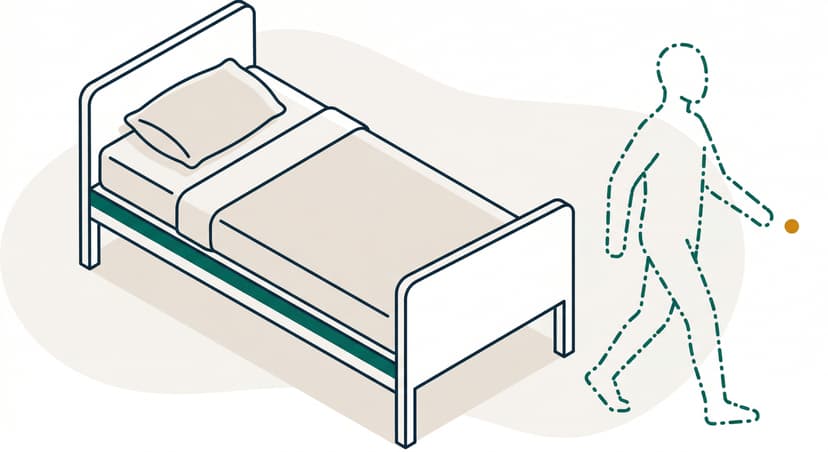
The effort per referral is high, eligibility often unclear, processing takes time. Meanwhile, well-suited patients go to faster-responding hospitals. And when admission documentation is incomplete, there is a risk of primary misallocation — with consequences from the payer.
The problem is not a lack of digitization. It is that no one has time to sort the stack, find the gaps, and catch the inconsistencies — before they have consequences.
How aiomics works
Capture documents
Paper records, PDF reports, physician letters, lab results — aiomics reads and organises existing documents. No manual typing. No pre-structuring required.
Compare and structure
Our multi-stage reconciliation process creates independent summaries of source documents, compares them systematically, and flags gaps and inconsistencies. No blind copying — content is cross-referenced before anything is generated.
Draft documents
Based on the structured overview, aiomics drafts discharge letters, extension requests, payer correspondence, and forms. Every draft includes source references, every suggestion requires physician approval.
AI-generated content constitutes suggestions — physician review and approval is required at every step.
One platform. Five modules. One goal: Back to what matters.
Admission Management
Hundreds of referrals per month, only a fraction fits. aiomics helps assess eligibility faster, avoid losing the right patients to faster-responding hospitals, and build complete documentation from the start — before the payer asks.
Patient Overview
BetaThe medical history from all available sources — chronological, structured, with source references. Where documents diverge, it becomes visible. You see in minutes what takes hours of chart review today.
Reports and Letters
Discharge letters that bounce between junior physician, attending, and the typing pool — for days, sometimes weeks. aiomics creates source-based drafts that drastically reduce revision cycles. The goal: discharge letter within days, not after 14.
Revenue Protection
Good documentation starts before day one — whether DRV extension requests in rehabilitation or OPS coding in acute care. aiomics ensures relevant information is captured in a structured way from the beginning, instead of being assembled after the fact.
Forms and Applications
Beta10 to 15 minutes per form. Information that has long been documented, manually entered into fields. And once the form is submitted, the follow-up questions start. aiomics generates suggested form content based on the patient overview, flags missing fields, and prepares follow-up correspondence.
Imagine a different workday.

You open the overview of a new patient. Documented diagnoses, medication, findings, and lab values extracted from all available documents — chronologically structured, with source references, with notes where sources diverge.
An extension request is due. The draft is already prepared: justification based on available documentation, coding suggestion, wording for the payer. You review, supplement, approve. Ten minutes instead of 45.
You go home. Not at 10 PM. Not with the feeling that three letters are still missing. But with the knowledge that the drafts are based on all available sources — and that open items are flagged.
Illustration of a possible workday. Actual time savings depend on individual documentation.
Deployed in European rehabilitation and acute care hospitals. Independent scientific evaluation in collaboration with the Charité Institute for Medical Informatics.
“For the first time, I feel like someone actually understands how incomplete our records really are — and does something about it, instead of just copying the errors forward.”
Internal Medicine Specialist, Munich
We are happy to arrange introductions to current users.
You did not become a physician to sort files.
30 minutes. Your questions. Our physician-founder shows you the platform personally — with your own documents if you like.
Book a demoNo commitment. No sales pitch. Physician to physician.
Proudly backed by


